

What We’re Thinking
Integrity Institute members and staff are leading voices in the integrity field and bring years of technical expertise in improving the technology ecosystem. These posts represent the authors’ individual thoughts, analysis, and ideas about evolving challenges in the Trust & Safety space. They do not represent the views of the Integrity Institute or the authors’ current or former employers.

1 Year at the Integrity Institute: What I’ve Learned
By Abby Lawson
The Integrity Institute hit its 3rd birthday this month. Around the same time, I also reached 1 year of working at the Institute in a role trying to support the development of a think tank for integrity workers. On hitting my one year mark, I reflected on what I’ve learned from the past year working to bring the expertise of trust and safety professionals to the public conversation.

Why Is Instagram Search More Harmful Than Google Search?
By Jeff Allen & Sofia Bonilla
An analysis of why Instagram search is more harmful than Google Search. We dive into how Instagram search is designed, compare to how Google Search is designed, and highlight how Instagram’s design choices lead to a less safe experience.
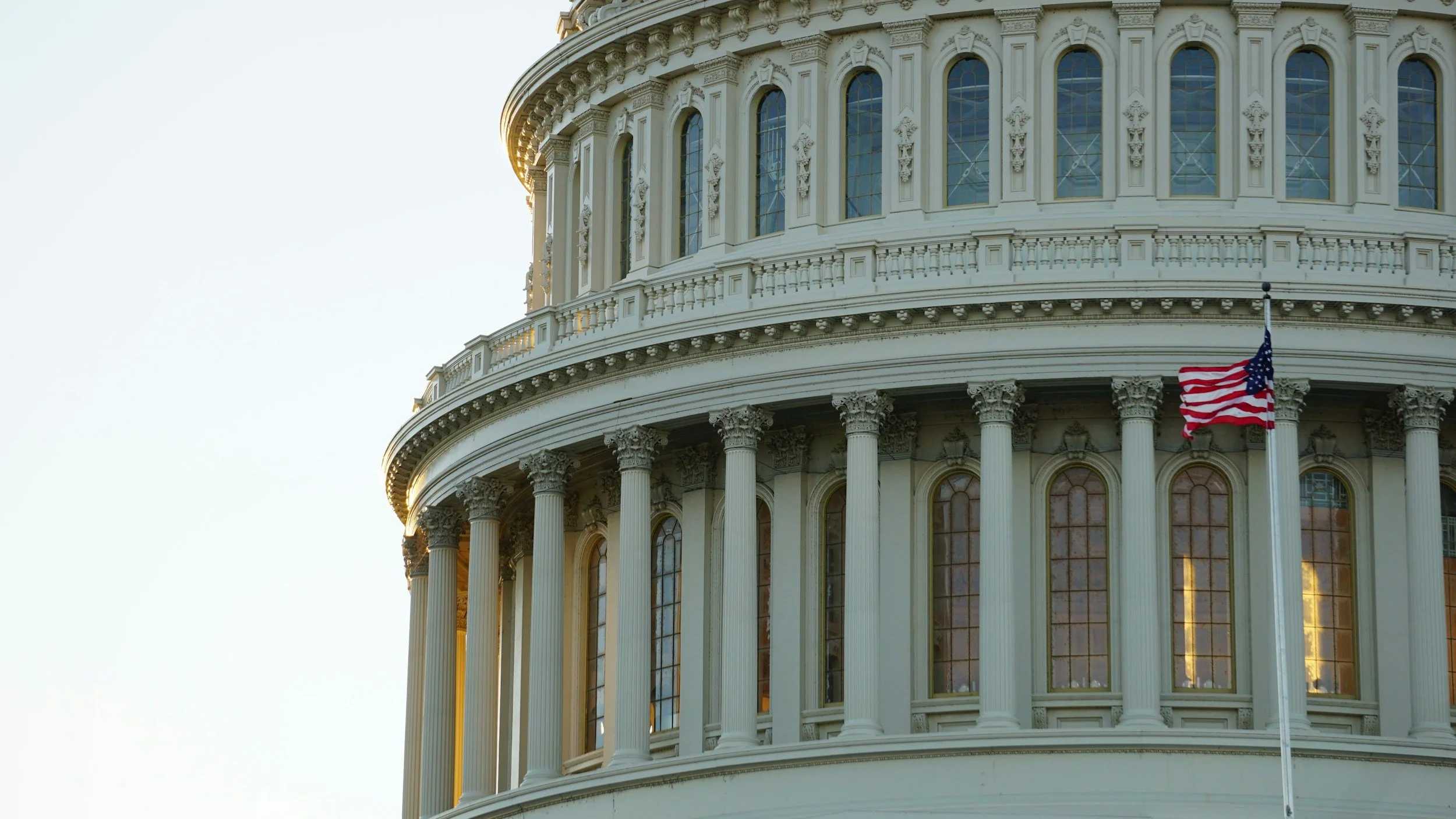
Questions for Platforms on Child Safety for Congressional Record
By Jeff Allen, Abby Lawson, Spencer Gurley, Alexis Crews, Jenn Louie, Matt Motyl, Gabe Freeman, Vaishnavi J, Sarah Oh, Davinia Santimano, and Sarah Vieweg
Following the Senate hearing on child safety online, Senators will be sending written questions to the CEOs of tech companies. Integrity Institute prepared additional questions that could serve as a guide for Senators’ written questions to the CEOs of tech companies.
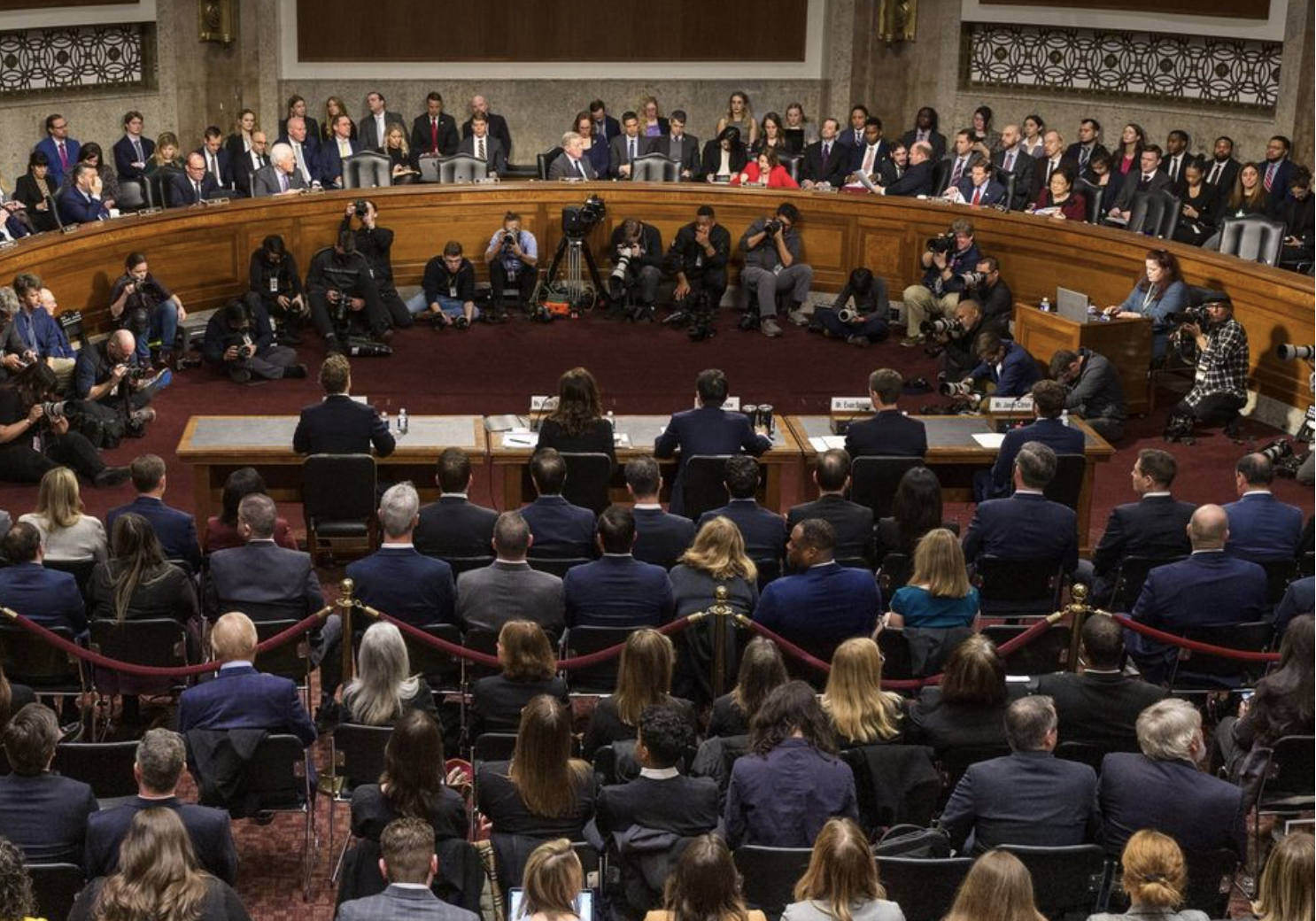
Exploring the Depths of Online Safety: A Critical Analysis from the US Senate Judiciary Hearing
On January 31, 2024, the US Senate Judiciary Committee held a hearing on child safety online. Prior to the hearing, Integrity Institute released a list of recommendations on how platforms could better protect child safety online. Following the hearing, Institute staff share their takeaways in this post mortem. Image credit: US Senate Judiciary Committee Website
The Art of the Block
User controls are the next frontier in content moderation at scale, but only if we use them.

Red Herrings To Watch For At The Senate’s Child Safety Hearing
Here are some red herrings you might notice companies and policymakers raise on January 31, and what they should be addressing instead.

Global Elections Playbook: AI Edition
The influence of AI on the global election cycle is undeniable. While generative AI isn’t the sole determinant of election outcomes, its potential for misuse by nefarious entities cannot be ignored.

Child Safety Online
Integrity Institute delineates the best practices we advocate for Child Safety across all digital platforms.

Pixels and Protocols: A Journey from Gaming Nostalgia to Digital Responsibility
This is what draws me most to integrity work: its focus is on protecting people not just after harm has occurred, but also by building systems and policies aimed to prevent it in the first place and address its root causes.
Integrity Talks Series: How Platforms Engage Governments
This is the first of what we hope will be many conversations with Integrity Institute members and friends that aim to demystify some of the integrity topics that are most often cited as confusing or frustrating. Our goal here is “real talk” about issues that we frequently see misunderstood, dramatized, or which just haven’t been discussed in a useful way for someone who hasn’t worked on integrity issues day in and day out.

When AI Systems Fail: The Toll on the Vulnerable Amidst Global Crisis
Reactive measures to address biased AI features and the spread of misinformation on social media platforms are not enough, says Nadah Feteih, an Employee Fellow with the Institute for Rebooting Social Media at the Berkman Klein Center and a Tech Policy Fellow with the Goldman School of Public Policy at UC Berkeley.

How Generative AI Makes Content Moderation Both Harder and Easier
By Numa Dhamani and Maggie Engler
Content moderation was already an extremely difficult and thankless job, and with generative AI potentially increasing the quantity, quality, and personalization of adversarial content, is it borderline impossible for social media platforms to moderate content now?

Why Disinformation Campaigns are the Most Lethal Form of Modern Warfare
Disinformation campaigns aren’t new. In fact, before the era of social media, yellow journalism swayed citizen opinions on wars, politics, and the economic states of various nations. Disinformation campaigns led to the communist witch hunts of the 1950s and, post 9/11, to the unjust targeting of Sikhs and Muslims due to mistaken associations between Al-Qaeda and all Muslims. These campaigns have been present in every major election…

Diagnosing Networked Harassment in its Connection to Online Violence Against Women in Politics
By Theodora Skeadas and Hallie Stern
During the 2019 Indian general elections, researchers studied how organizers used a network of WhatsApp groups to manipulate Twitter trends through coordinated mass postings. The researchers joined 600 WhatsApp groups and found evidence of 75 hashtag manipulation campaigns in the form of mobilization messages with lists of pre-written tweets. During the election period, these campaigns produced hundreds of nationwide Twitter trends with the goal of influencing outcomes…


Election Deepfakes: What To Do About Political Media That Doesn’t Mean What You Think It Means
Integrity Institute members Eric Davis, Diane Chang, Lucia Gamboa, Amari Cowan, Swapneel Mehta, Nichole Sessego, and David Evan Harris submitted comments to the FEC in October 2023, requesting it to address the anticipated onslaught of deepfakes in 2024 US campaign advertising.

Reflection from 2023 DEF CON
Integrity Institute visiting fellows Rebecca Thein, Theodora Skeadas, and Sarah Amos share their reflections from attending 2023 DEF CON alongside Institute members.

Technology Companies Must Make Platforms Safer for Women in Politics
Integrity Institute visiting fellow Theodora Skeadas co-authored this piece that first appeared in Tech Policy Press.

How Much Has Social Media Affected Polarization?
Following the first published research from the 2020 Facebook and Instagram Election Study (FIES), Institute fellow Tom Cunningham shows that social media has probably not made a huge contribution to US polarization and how we can extrapolate estimates from the FIES to other effects of interest, specifically the aggregate impact of social media on the US over the last 20 years.